Skylights vs. Standard Windows: Which Option Is Best for You?
When homeowners consider enhancing natural light in their spaces, the decision between skylights and conventional windows frequently comes up. Every choice brings its own set of opportunities and considerations. Skylights have the ability to saturate a room details with light streaming from above, whereas conventional windows provide scenic views and structural variety. Recognizing the consequences of each selection is vital for reaching a knowledgeable determination. What factors should one prioritize in this comparison, and how do they impact long-term satisfaction?
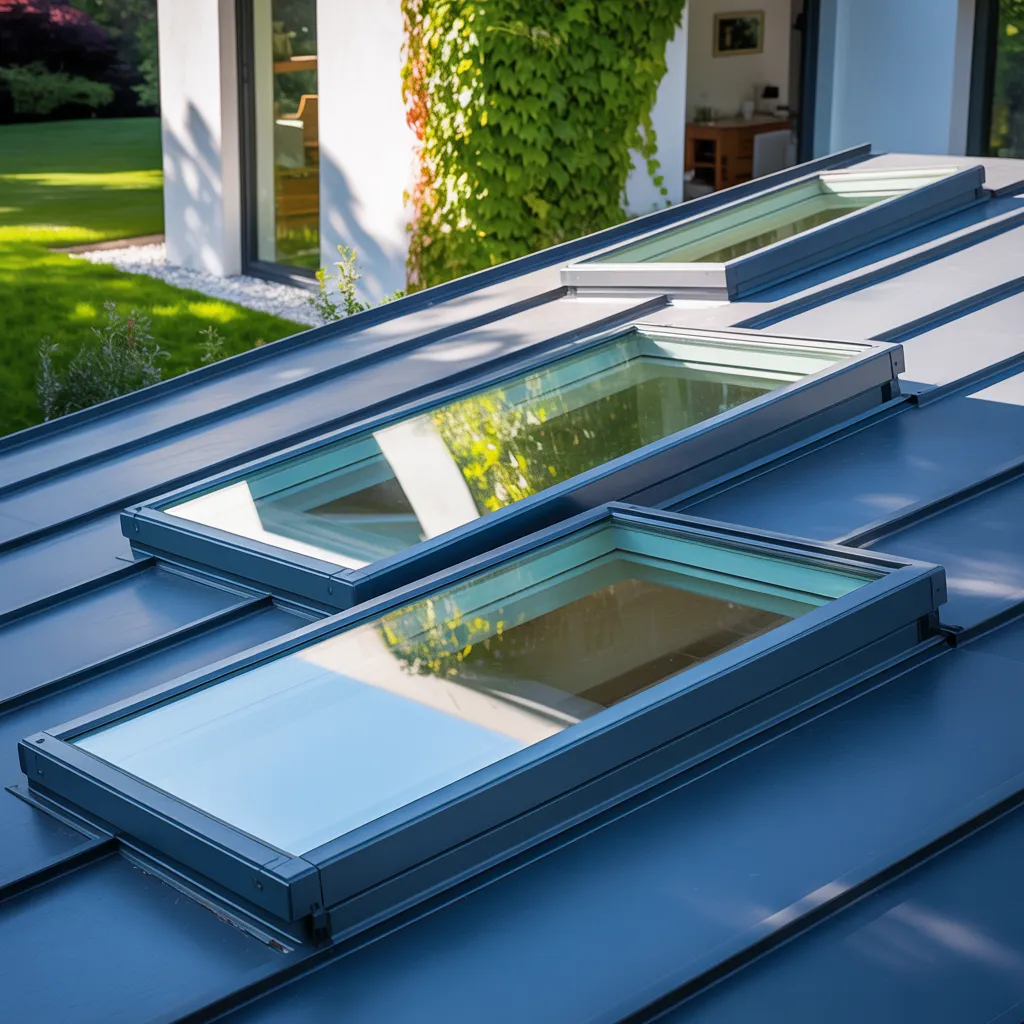
Natural Light Comparison: Skylights vs. Traditional Windows
When considering ways to improve natural lighting in a room, skylights and conventional windows provide unique benefits. Skylights, mounted overhead on the roof, offer an unrestricted flow of natural light, filling rooms with daylight from above. This top-down illumination can create a bright and airy atmosphere, making spaces feel larger and more inviting. Moreover, skylights can minimize the dependence on electric lighting during daylight hours.
By comparison, traditional windows allow for sunlight to flow in from the sides, providing views of the surrounding environment. They can be thoughtfully positioned to maximize natural light intake throughout the day, based on the directional placement of the room. Moreover, traditional windows can be crafted in a variety of styles to suit architectural preferences, enhancing both light and visual appeal. At the end of the day, the decision between skylights and conventional windows copyrights on one's own preferences, room layout, and the intended atmosphere of the space.
Comparing Energy Efficiency: Skylights Against Traditional Windows?
When considering energy use, skylights and conventional windows provide their own notable strengths. Skylights have the potential to increase natural light, possibly decreasing dependence on artificial lighting, while traditional windows may offer better heat retention. A review of energy expenses highlights meaningful distinctions that can shape homeowners' decisions.
Advantages of Natural Light
Natural light plays an essential role in enhancing energy efficiency, and the choice between skylights and traditional windows greatly impacts this benefit. Skylights allow for ample daylight to penetrate deeper into interior spaces, reducing reliance on artificial lighting during the day. This may result in reduced electricity costs and a smaller carbon footprint. On the other hand, standard windows largely light up spaces adjacent to the exterior walls, which may limit light distribution. Moreover, the angle and location of skylights can collect more sunlight during the day, especially in rooms featuring high ceilings. In the end, utilizing natural light through either choice can enhance energy efficiency, however skylights commonly deliver a more notable advantage in maximizing natural light exposure across a property or building.
Thermal Retention Comparison
How do skylights and traditional windows compare regarding heat retention? Both options have unique characteristics that influence their energy efficiency. Standard windows usually deliver enhanced insulation, especially with double or triple glazing, which limits heat loss during the colder season. While skylights enable natural light penetration, they can at times contribute to higher heat transfer because of their broad surface area and tendency for heat gain during warmer months. That said, developments in skylight engineering, such as low-emissivity (low-E) coatings, have considerably boosted their heat retention capabilities. At the end of the day, the heat retention performance of each choice copyrights on considerations like installation standards, glazing selection, and local climate conditions. Residents should thoughtfully weigh these considerations to establish which solution is best suited to their specific heat retention demands.
Energy Cost Assessment
An energy costs analysis reveals significant differences in efficiency between skylights and traditional windows. Skylights are known to admit greater amounts of natural light, which can reduce reliance on artificial lighting and lower electricity bills. That said, the energy efficiency of skylights is primarily determined by the caliber of glazing and installation methods. High-performance skylights, equipped with low-E coatings, can minimize heat loss and gain, enhancing overall energy savings.
In contrast, traditional windows may also prove to be energy-efficient, especially when equipped with dual or triple glazing options. While they deliver sufficient thermal insulation, they may not provide the same natural light benefits as skylights. When all is said and done, the decision between the two should take into account elements including climate, geographic location, and targeted energy efficiency objectives to establish the most budget-friendly choice.
Everything You Should Know About Skylights
Why do homeowners find skylights such an attractive option? Skylights present a unique opportunity to maximize natural light within the home, establishing a luminous and open environment. Coming in numerous designs and sizes, they can be seamlessly integrated into different architectural designs. Homeowners often appreciate the potential for energy efficiency; thoughtfully installed skylights can decrease dependence on electric lighting during daylight hours.
Furthermore, skylights can increase ventilation when equipped with operable functions, allowing warm air to dissipate and supporting airflow. They also present unique aesthetic characteristics, serving as focal features that can enhance interior design. However, it is important for homeowners to evaluate factors such as installation fees, potential moisture issues, and the need for regular maintenance. Recognizing the specific demands and impacts of skylights can assist homeowners arrive at informed decisions tailored to their living settings.
Notable Strengths and Weaknesses of Traditional Windows
Standard windows have long served as a fundamental element in home construction, providing clear benefits while also presenting certain limitations. One key advantage is their ability to supply natural lighting and fresh air circulation, enhancing indoor air quality and reducing reliance on artificial lighting. They are also available in a variety of styles and materials, enabling homeowners to tailor their look to match individual tastes.
However, traditional windows come with disadvantages. Thermal efficiency can become problematic, most notably with aging models that can allow cold drafts and thermal loss. Furthermore, ongoing maintenance tends to be more intensive, as frames and seals may require regular upkeep to prevent deterioration. Classic windows can similarly struggle with managing solar heat gain in comparison to newer solutions, causing elevated cooling costs during the hotter months. Ultimately, the decision to choose traditional windows involves weighing these advantages against their drawbacks based on individual needs and circumstances.
Aesthetic Appeal: Skylights vs. Windows
The aesthetic quality of skylights and conventional windows plays a major role in home design decisions. Skylights are capable of boosting natural light and establish a feeling of spaciousness, while traditional windows offer versatile design options that complement various architectural styles. Understanding these differences helps homeowners make informed decisions according to their personal style preferences.
Natural Light Effects
Natural light is a key factor in elevating the beauty of home interiors, with skylights and traditional windows offering distinct advantages. Skylights, positioned on the ceiling, allow sunlight to flood in from above, creating a sense of openness and warmth. This upward light can highlight architectural features and cause rooms to appear more expansive and welcoming. Conversely, traditional windows provide views of the outdoors, linking indoor areas with the surrounding environment. They can frame picturesque scenes and create a dynamic interplay of light throughout the day. Although skylights can brighten shadowy areas, conventional windows can boost curb appeal and structural charm. Ultimately, the choice between skylights and traditional windows impacts the overall ambiance and energy of a home.
Options for Design Versatility
Design versatility is a significant factor when comparing skylights and traditional windows, as each option offers distinct contributions to a home's visual character. Skylights provide a contemporary feel, effortlessly incorporating into ceilings to foster an expansive, light-filled ambiance. Their placement can highlight architectural features and enhance the overall design flow. On the other hand, conventional windows offer a timeless appeal, available in various styles and materials to complement any architectural design. They are adaptable in both size and form, giving homeowners the ability to copyright timeless aesthetics while enhancing natural illumination. In the end, the decision between skylights and windows is guided by personal taste, intended atmosphere, and the unique architectural setting of the home, each offering distinct advantages in design versatility.
Budgeting for Skylights and Traditional Windows
What is the best way to budget for skylights compared to traditional windows? When evaluating installation expenses, skylights commonly cost between $1,000 and $3,000, varying by size and features. Extra costs can involve structural adjustments and possible roofing repairs. By comparison, traditional windows usually range from $300 to $1,500 per unit, depending on materials and energy efficiency ratings.
Homeowners must also account for installation fees, which can fluctuate greatly based on regional labor costs. Skylights may require specialized installation, driving up overall expenses. Additionally, long-term energy savings must be incorporated into the budget; skylights can enhance natural light, possibly lowering electricity bills, while high-efficiency windows offer insulation benefits.
At the end of the day, identifying the best option means analyzing both initial investments and potential returns. Considering both design preferences and practical demands will lead to a more informed financial decision regarding skylights or traditional windows.

Frequently Asked Questions
How Do Skylights Affect Indoor Temperature During Summer?
Skylights can significantly raise indoor temperatures during summer by allowing direct sunlight to enter, often leading to heat accumulation. Proper installation and shading options are essential to minimize excessive warmth and maintain comfortable indoor conditions.
Is It Possible to Install Traditional Windows in Unconventional Shapes?
Traditional windows can indeed be installed in unusual shapes, providing distinctive visual possibilities. Tailored designs help homeowners accentuate structural characteristics, providing both functionality and visual appeal while guaranteeing correct installation and optimal energy performance.
What Are the Maintenance Requirements for Skylights Versus Windows?
Skylights tend to need more care and attention than standard windows, as they are susceptible to leaks and the accumulation of debris. Regular cleaning and inspection are essential, while windows usually demand less maintenance, focusing primarily on general cleaning and intermittent sealing.
Do Skylights Tend to Leak or Cause Water Damage?
Skylights may be vulnerable to leaks and water damage, especially if improperly installed or maintained. Routine inspections and appropriate sealing are critical to reducing risks, keeping them operational and protected from moisture-related issues.
How Can Local Building Codes Influence Skylight Installation?
Regional building regulations heavily affect skylight installation by dictating structural specifications, energy conservation requirements, and safety guidelines. Adhering to these codes ensures correct installation, reducing risks of leaks and boosting the long-term durability and performance of the skylights.